Fostering Nervous System Resilience
Building the Hidden Reserve Behind Every Recovery
Fostering Nervous System Resilience
Building the Hidden Reserve Behind Every Recovery
Two people face the same stressor — an illness, a stumble, a stressful week — and one bounces back quickly while the other struggles for weeks. What explains the difference?
Learning to meet life's inevitable stresses and challenges with steadiness, rather than being knocked off course by them, is one of the great arts of being human. It's a skill some people seem to carry naturally, while others struggle to bounce back from stressful events.
Researchers refer to this capacity as nervous system resilience and building it may be one of the most powerful, and overlooked, things we can do for our long-term health. We now know that nervous system resilience is not a fixed feature — it can be cultivated, at any age, once you understand what's actually happening beneath the surface.
Much of the conversation around building reserve focuses on muscles and joints. But your nervous system has its own reserve capacity, and it may be one of the most important, and overlooked, pieces of the puzzle.
At the center of it is the vagus nerve
The vagus nerve is the primary regulator of your parasympathetic "rest and recover" response. Researchers track how well this system functions through vagal tone, often measured via heart rate variability, or HRV — and HRV itself is increasingly used as a marker of physiological resilience more broadly.
In other words, your nervous system's reserve capacity doesn't just affect how you feel in the moment. It shapes how well every other system in your body — heart, muscles, immune function, mind — can absorb stress and bounce back.
Actively build your capacity to recover
Through breathwork, gentle self-applied touch, and specific yoga postures, you'll learn to actively build your nervous system's capacity to recover from daily stress, not just manage it in the moment.
For anyone who wants to meet life with greater steadiness
Three sessions
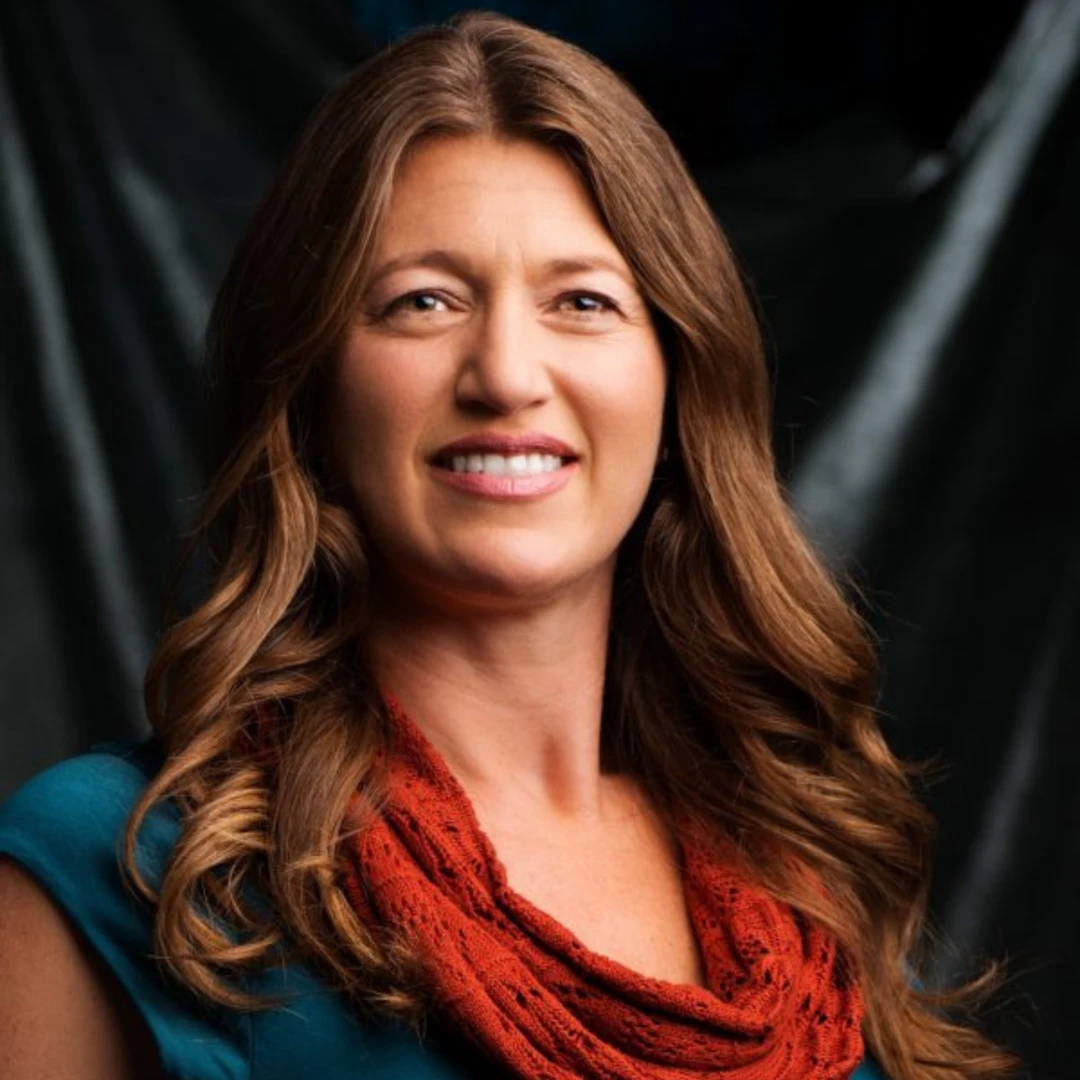
Dr. Arielle Schwartz, Ph.D., E-YRT
A psychologist, internationally sought-out teacher, yoga instructor, and leading voice in the healing of PTSD and complex trauma. She is the author of six books, including Therapeutic Yoga for Trauma Recovery, The Complex PTSD Workbook, and The Post Traumatic Growth Guidebook.
Dr. Schwartz has a depth of understanding, passion, kindness, compassion, joy, and a succinct way of speaking about very complex topics. She is the founder of the Center for Resilience Informed Therapy in Boulder, Colorado. Dr. Schwartz believes that the journey of trauma recovery is an awakening of the spiritual heart.
This capacity can be enhanced
Yoga practices turn out to be one of the best ways to help reshape the nervous system's ability to respond more effectively in the face of challenges.
Strengthen the foundation your mind and body rely on
Paired with the physical reserve you're building elsewhere in the Age Strong program, in your joints, muscles, and gait, this work strengthens the very foundation your entire mind and body rely on to meet whatever life brings with greater steadiness, and to keep building the foundation of a longer health span.
Fostering Nervous System Resilience
Building the Hidden Reserve Behind Every Recovery · with Dr. Arielle Schwartz
4:00 PM ET / 1:00 PM PT