Registration Is Now Closed
Sorry we missed you! For questions, send us a note at Support@YogaUOnline.com
Chronic diseases like Alzheimer's, heart disease, cancer, and diabetes affect 90% of people over the age of 60. But here's the part almost no one talks about...
These are conditions that result from harmful changes in your body that accumulate silently over decades.
In the case of Alzheimer's, for example, researchers have now discovered that the same metabolic dysfunction behind type 2 diabetes is also silently damaging the brain.
It doesn't start when you begin to forget names. It starts decades earlier — with metabolic changes few doctors test for.
The 3+1 Pillars of Healthy Aging - Are You Missing the Most Essential One?
There are 3+1 essential pillars that determine whether you will stay healthy and functional as you get older.
The first three you already know: Strong muscles, strong bones, healthy joints. These essential pillars keep you moving, and movement is vital for the healthy functioning of every system in your body.
But there's a fourth pillar - your metabolic health. It is arguably the most important one, because without it the other three slowly crumble from within.
And unfortunately, this is also the one essential pillar of healthy aging that most people overlook...
THE HIDDEN EPIDEMIC OF METABOLIC DYSFUNCTION
It's Not Just Alzheimer's. It's Everything!
Alzheimer's may be the most frightening example, but metabolic dysfunction doesn't stop at the brain. It is the common root driver behind virtually every chronic disease of aging:
- Heart disease and stroke — Chronic metabolic syndrome significantly increases cardiovascular disease and stroke risk, with one study showing a 63% higher odds of heart disease and nearly 3x the risk of stroke.
- Type 2 diabetes — The most obvious expression of metabolic dysfunction, now affecting over 37 million Americans.
- Certain cancers — Insulin resistance creates a growth-promoting environment that fuels tumor development.
- Cognitive decline and dementia — Metabolic defects precede brain changes and amyloid plaque buildup, not the other way around.
- Sarcopenia (muscle wasting) — Metabolic dysfunction accelerates age-related muscle loss, creating a vicious cycle of weakness and further metabolic decline.

These aren't separate, unlucky diagnoses. They share a single, underlying engine: Your metabolism breaking down, year after year, without you knowing it.
And as your metabolic foundation erodes, it takes the three pillars you depend on with it — your muscles weaken, your bones thin, and your joints stiffen. When those go, movement goes. And when movement goes, everything accelerates.
This isn't a distant, theoretical risk. This is happening inside bodies right now — silently, invisibly — in people who feel perfectly fine.
THE SCOPE OF THE CRISIS
Nearly 4 in 10 Adults Already Have It
The metabolic decline that drives most chronic diseases is also referred to as metabolic syndrome. It is a cluster of high blood sugar, excess belly fat, abnormal cholesterol, and elevated blood pressure — now affects nearly one in two people over 60 in the US.
And worse, most people with metabolic dysfunction don't know they have it. There's no dramatic symptoms. No sudden crisis. Just a slow, invisible erosion of your body's ability to produce energy, regulate blood sugar, manage inflammation, and protect vital organs — including the brain.
And it doesn't stop there. The same metabolic erosion quietly undermines the three pillars you count on to stay active — your muscle mass, bone density, and joint health.
The question isn't whether you'll face this. The question is whether you'll catch it in time to change the outcome.
WHAT KIND OF BODY ARE YOU BUILDING?
You Don’t Have a Body — You’re Constantly Building One

Here’s something most people never think about: you don’t have a fixed body. You’re building a new one every single day.
Your body is in a constant state of renewal. Your gut lining replaces itself every 3–5 days. You build an entirely new skeleton roughly every 10 years. Your muscles are constantly breaking down and rebuilding. Even your brain is generating new cells and forming new connections.
Every day, your body is tearing itself down and rebuilding.
And here’s what most people don’t realize: The quality of what it rebuilds depends entirely on your metabolic health…
When your metabolism is functioning well, your body rebuilds strong, resilient muscles. It lays down dense, healthy bone. It produces the anti-inflammatory compounds that keep your joints supple and pain-free. It clears out damaged cells and replaces them with healthy ones.
But when metabolic dysfunction takes hold, that rebuilding process goes sideways. Your muscles rebuild weaker. Your bones become more porous. Your joints accumulate inflammation instead of clearing it. The body you’re building tomorrow is less capable than the body you have today — and this process compounds silently, year after year.
So the question isn’t just whether you have a chronic disease today. The question is: what kind of body is your metabolism building for you right now?
The good news? Because your body is always rebuilding, it’s never too late to change what it’s building with. And that starts with your metabolic health.
THE MISSING ELEMENT
The One Thing Most People Ignore
(That Could Change Everything)
Most of us already know the first three pillars of healthy aging: Keeping our muscles strong, our bones dense, and our joints mobile. Those are the essentials that keep us moving — and movement is vital for the healthy functioning of every system in your body.
But there's a fourth pillar — a +1 — that most people completely overlook: your Metabolic Health. It isn't just about blood sugar. Metabolism is the master system that governs how every cell in your body produces energy, fights inflammation, builds and maintains muscle, protects your brain, and resists disease.
And it's the one master system that most powerfully governs how well you will age…
Without healthy metabolism, your muscles can't rebuild, your bones can't remodel, and your joints can't repair themselves. It's the engine room that powers all three pillars.
And yet, metabolic health is something that most of us ignore or think that we don't have the power to affect.
But we CAN make a difference — and it's a big one that will affect everything else… And, it doesn't have to involve a long tedious list of 'shoulds' and 'don'ts.'
THE SOLUTION —AGE STRONG FOR LIFE
Addressing The 50% That Most Programs Miss

When it comes to metabolic health, exercise and diet only address half the picture. The other half — your stress response, your body clock, and your gut bacteria — quietly controls your insulin sensitivity, inflammation levels, cellular repair, and energy production.
When these systems break down, it doesn't matter how clean you eat or how hard you train…
Your metabolism still slows. Your muscles still shrink. Your energy still crashes.
But did you know that yoga offers a path to address The Other 50% to truly make a difference in your metabolic health?
Introducing Age Strong for Life - Building Your Vitality Blueprint
That's exactly what Age Strong for Life
was designed to change
Age Strong for Life is an online membership program for people who want to learn how ancient yoga-based techniques can help change how well they age.
It is built around the 3+1 Essential Pillars of Healthy Aging formula, which covers the three pillars most people focus on - strong muscles, strong bones, and healthy joints. And it adds the vital +1 - the fourth (and arguably most important) dimension of healthy aging - the factors that impact your metabolic fitness.
Each month you get in-depth workshops and practices on the first three pillars: Building Strong Muscles, Strong Bones, and Healthy Joints with Lynn Crimando and guest teachers. These tackle the first three pillars head-on —so you can keep moving with confidence.
In addition, you get weekly Therapeutic +1 Yoga Practices with leading teachers. These are specifically designed to strengthen the all-important +1 pillar — your metabolic health — by working directly on your stress response, body clock, and gut health.
Together, these give you both the powerful practices and the deeper understanding you need to counter the factors that drive premature age-related decline — across all 3+1 pillars.

WHY GENERIC APPROACHES FALL SHORT
Why Your Regular Yoga Class Isn't Enough
You might already be doing yoga. Maybe you walk every day. Maybe you eat well. That's a great foundation — but here's the hard truth:
Most generic yoga classes were never designed to address the specific aspects of practice that powerfully support the 3+1 pillars of healthy aging.
The poses, sequences, breathing techniques, and recovery strategies that directly influence insulin sensitivity, inflammation, muscle preservation, bone density, joint health, and hormonal balance require specialized knowledge — knowledge that most yoga instructors simply don't have.
And there's another problem most people don't want to talk about:
Age Strong for Life is different because:
- Our teachers are nationally recognized experts who specialize in healthy aging. These aren't general fitness instructors — they are leaders in the field of yoga for aging bodies, each bringing decades of specialized training.
- Every class is designed with your body in mind. Modifications, progressions, and safety cues are built into every session — not as an afterthought, but as the foundation.
- The practices are chosen specifically to address all 3+1 pillars — building and preserving muscle, supporting bone density, keeping joints healthy, while targeting insulin sensitivity, inflammation reduction, stress hormone regulation, and more.

WHAT'S INSIDE — AGE STRONG FOR LIFE:
Your Complete 3+1 Program
Age Strong for Life gives you two powerful, complementary components —
all included in one program:
In-Depth Workshops — The First 3 Pillars
Plus, you get workshops with Lynn Crimando and guest teachers that dive deep into building Strong Muscles, Strong Bones, and Healthy Joints — the three pillars that keep you moving so every system in your body can thrive.
Weekly Therapeutic Yoga Series for Metabolic Rebalancing — The +1 Pillar
Each week you get to join us for a focused therapeutic yoga series designed to strengthen the all-important +1 pillar — your metabolic health.
We have a new theme focused on metabolic health each month, and the monthly 4-part practice series are led by expert, nationally recognized teachers.
These aren't generic yoga classes. Each series targets specific aspects of the stress response, body clock, gut health, and nervous system function that directly drive metabolic vitality.
Together, these two complementary focuses give you the tools you need to target your yoga practice for strength building, enhanced functional health, and metabolic vitality.
The Essential 3 Pillars
STRONG MUSCLES, BONES & HEALTHY JOINTS —
Workshops and Practices with Lynn Crimando
Frustrated with your strength training? Worried about bone loss? Dealing with joint stiffness and pain?
The first three pillars of healthy aging — Strong Muscles, Strong Bones, and Healthy Joints — are what keep you moving. And movement is vital for the healthy functioning of every body system.
Join Lynn Crimando for in-depth workshops that go beyond generic advice to teach you what really makes a difference when it comes to building strength, enhancing bone health, and keeping your joints mobile and pain-free.
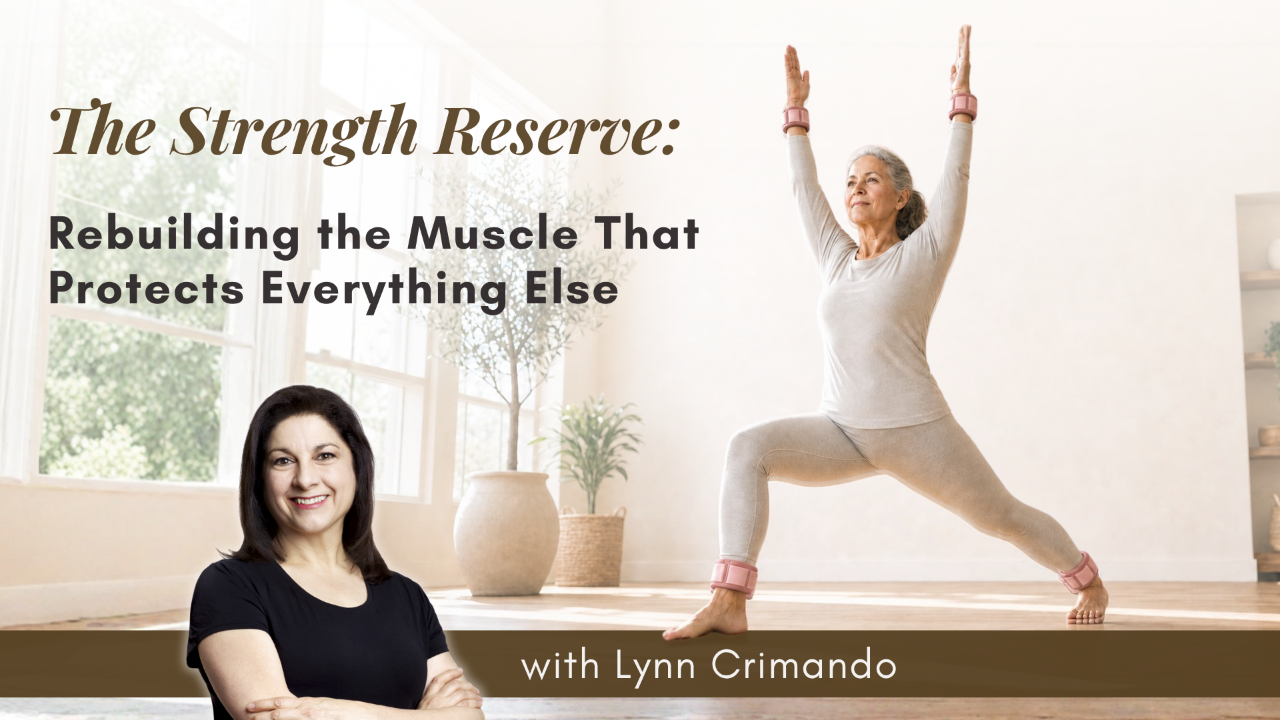
Around age 50, anabolic resistance means the same workouts stop building strength the way they used to — a biological shift, not a discipline failure. Muscle functions as your body's reserve tank, the buffer determining whether you bounce back quickly from illness, falls, or surgery, or get knocked down for months. This 5-part series rebuilds that reserve through deliberately challenging practices pairing physiology (why muscle stops responding, what bones need to stay dense) with immediate practical application, leaving you with a sustainable practice that compounds strength, metabolism, bone health, and balance for decades.
Workshop 1: The Reserve Tank
Why Two People the Same Age Age So Differently
Some 70-year-olds bounce back from a bad flu or a hard fall in weeks. Others never fully recover. The difference isn't luck, it's reserve capacity, the buffer of strength and function your body keeps in the tank for exactly these moments. This session introduces the concept and shows you where your own reserve may already be running low, and why muscle is the fastest lever for rebuilding it.
Saturday, September 19 at 11 am ET/8 am PT
Workshop 2: The Resistance Problem
Why Your Muscles Stopped Listening to the Same Workout
After 50, muscle tissue becomes measurably less responsive to the stimuli that once maintained it, a shift researchers call anabolic resistance. This session unpacks what's actually happening inside the muscle cell and introduces the specific type of stimulus needed to break through resistance and get your body responding again.
Saturday, November 07 at 11 am ET/8 am PT
Workshop 3: The Weight of Doing Less
How Slowing Down Recruits More Muscle, Not Less
Intuition says more speed and more reps build more strength. The physiology says otherwise. This session explores tempo as a training variable, why extending the time a muscle spends under tension changes the recruitment pattern entirely, and gives you a practice that proves it within the first few minutes.
Saturday, December 12 at 11 am ET/8 am PT
Workshop 4: Load-Bearing Bones
What Your Skeleton Actually Needs to Stay Dense
Bone doesn't respond to movement for its own sake. It responds to mechanical strain, meaning a bone-building stimulus requires real load, not just motion. This session distinguishes between a gentle held pose and the higher-force, near-maximal contraction your bones need to trigger remodeling, and shows you how to safely introduce that intensity into a yoga practice
Saturday, January 23 at 11 am ET/8 am PT
Workshop 5: The Compound Interest Practice
One Sequence, Five Systems, Decades of Payoff
Strength, metabolism, stress regulation, balance, and everyday function rarely get trained together, but they don't operate separately in your body either. This closing session integrates everything from the series into a single sustainable sequence designed to keep compounding benefits for years, not just through the next workshop cycle.
The +1 Pillar: Here's a Preview of this Semester's Events and Courses
Join Us Live or View the Recordings!
Happening in September
Happening in October
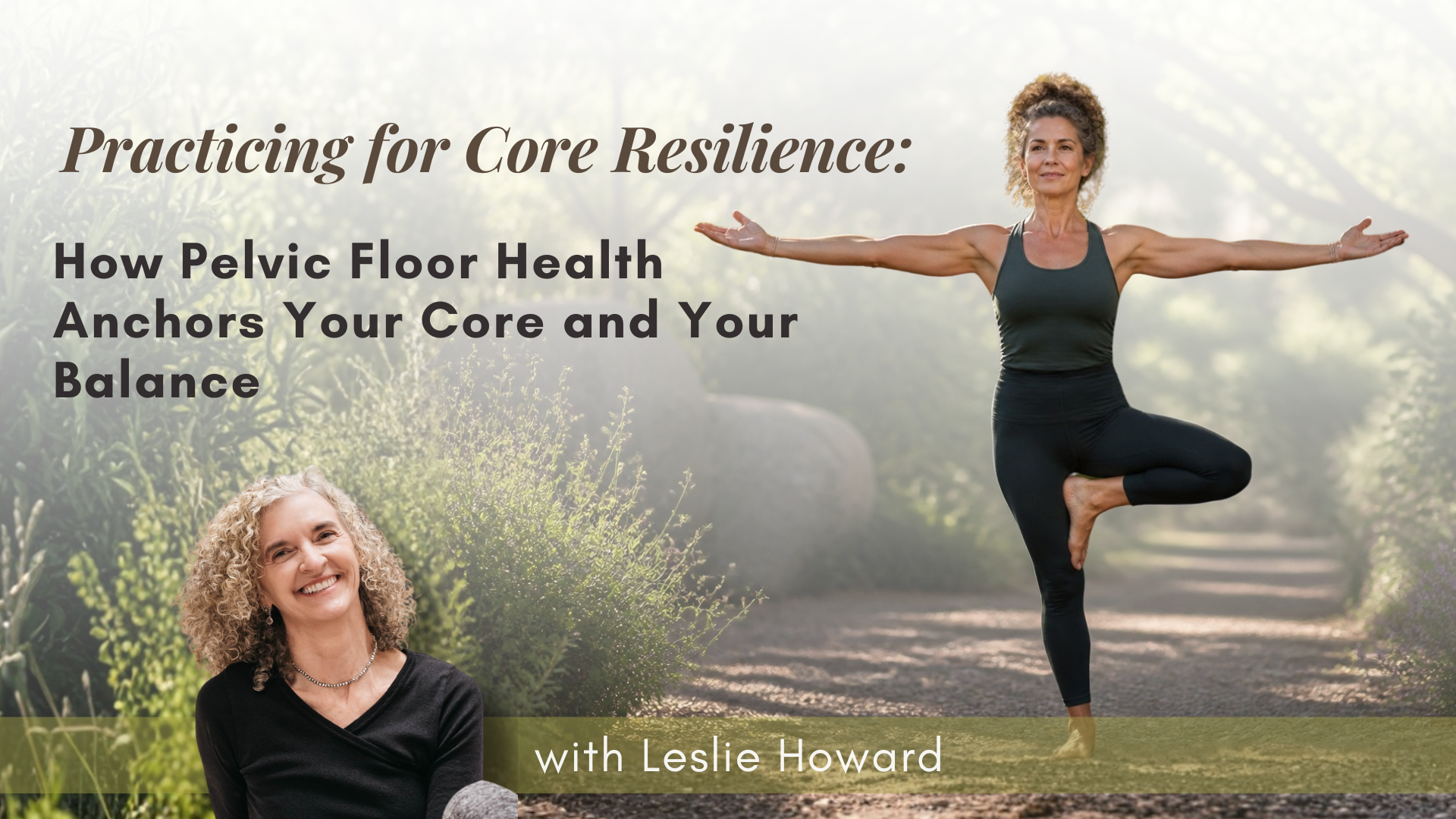
Practicing for Core Resilience:
How Pelvic Floor Health Anchors Your Core and Your Balance
Pillars addressed:
Strong Muscles + Strong Bones + Metabolic Health (+1)
Muscle is metabolically active tissue — the primary site of glucose uptake and a key regulator of insulin sensitivity. After 50, progressive muscle loss quietly accelerates metabolic decline long before it becomes visible. This series integrates intelligent resistance work into yoga's movement framework, building the integrated functional strength that isolated gym training can't replicate — while protecting aging joints and simultaneously supporting bone density, balance, and the hormonal environment that keeps metabolism running efficiently.
Join Leslie Howard Live Online for a one-hour practice followed by a Q&A!
Thursdays at 4:00 pm ET / 1:00 pm PT
September 3,10,17 & 24
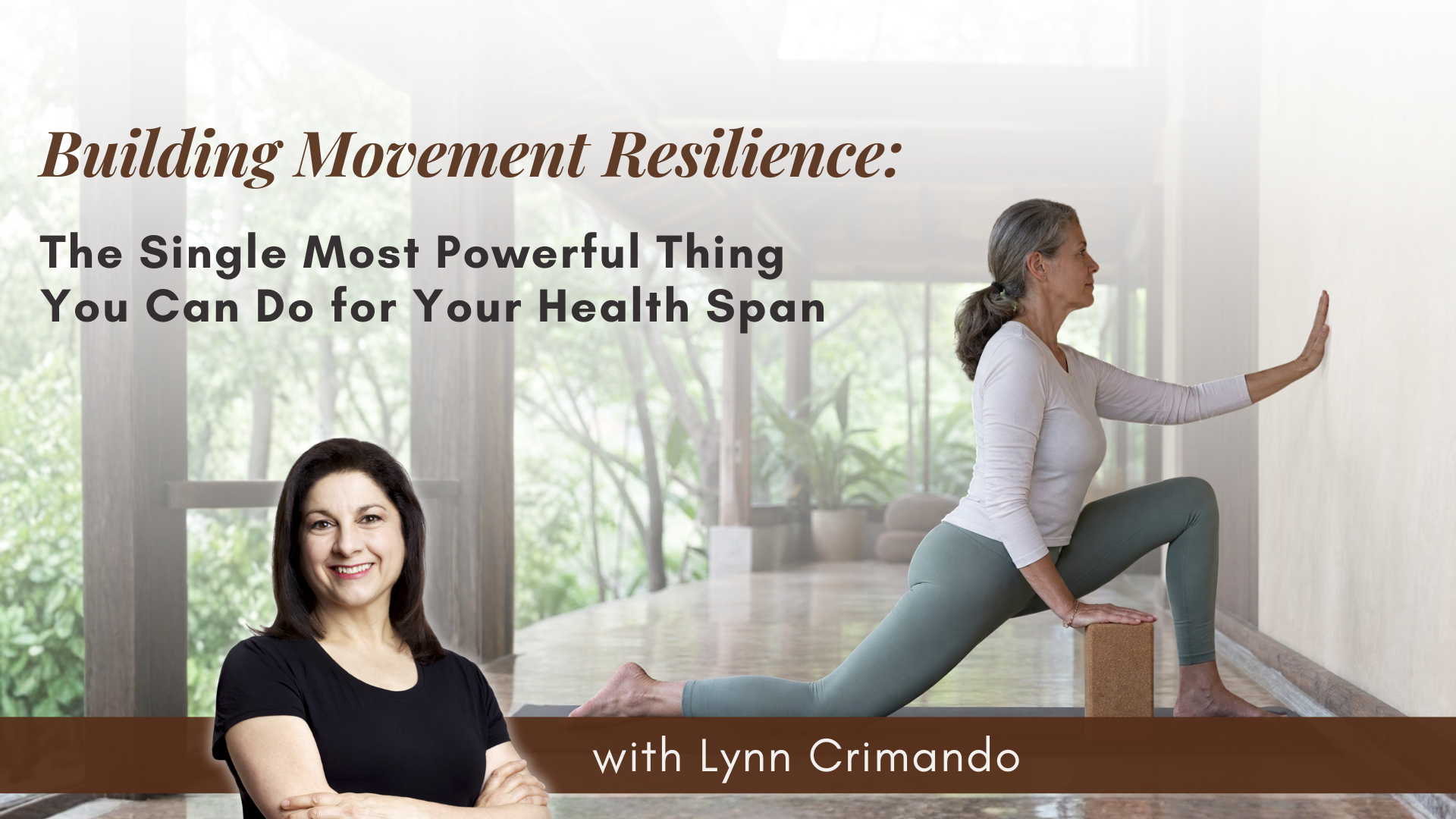
Building Movement Resilience:
The Single Most Powerful Thing You Can Do for Your Health Span
Pillars addressed:
Strong Muscles + Balance & Stability + Heart & Brain Health (+1)
Walking may be one of the most powerful, overlooked tools for extending health span — just 11 minutes of brisk walking daily can lower premature death risk by nearly 25 percent, while consistent walking improves heart, brain, and muscle health. This series with yoga therapist Lynn Crimando rebuilds the foundation for strong, confident walking, targeting feet, ankles, and legs to restore strength, mobility, and balance that naturally decline with age. Participants learn to walk faster, longer, and with greater ease, reversing limitations once thought permanent.
Join Lynn Crimando Live Online for a one-hour practice followed by a Q&A!
Tuesdays at 1:00 pm ET / 10:00 am PT
October 6, 13, 20, & 27
Happening in November
Happening in December
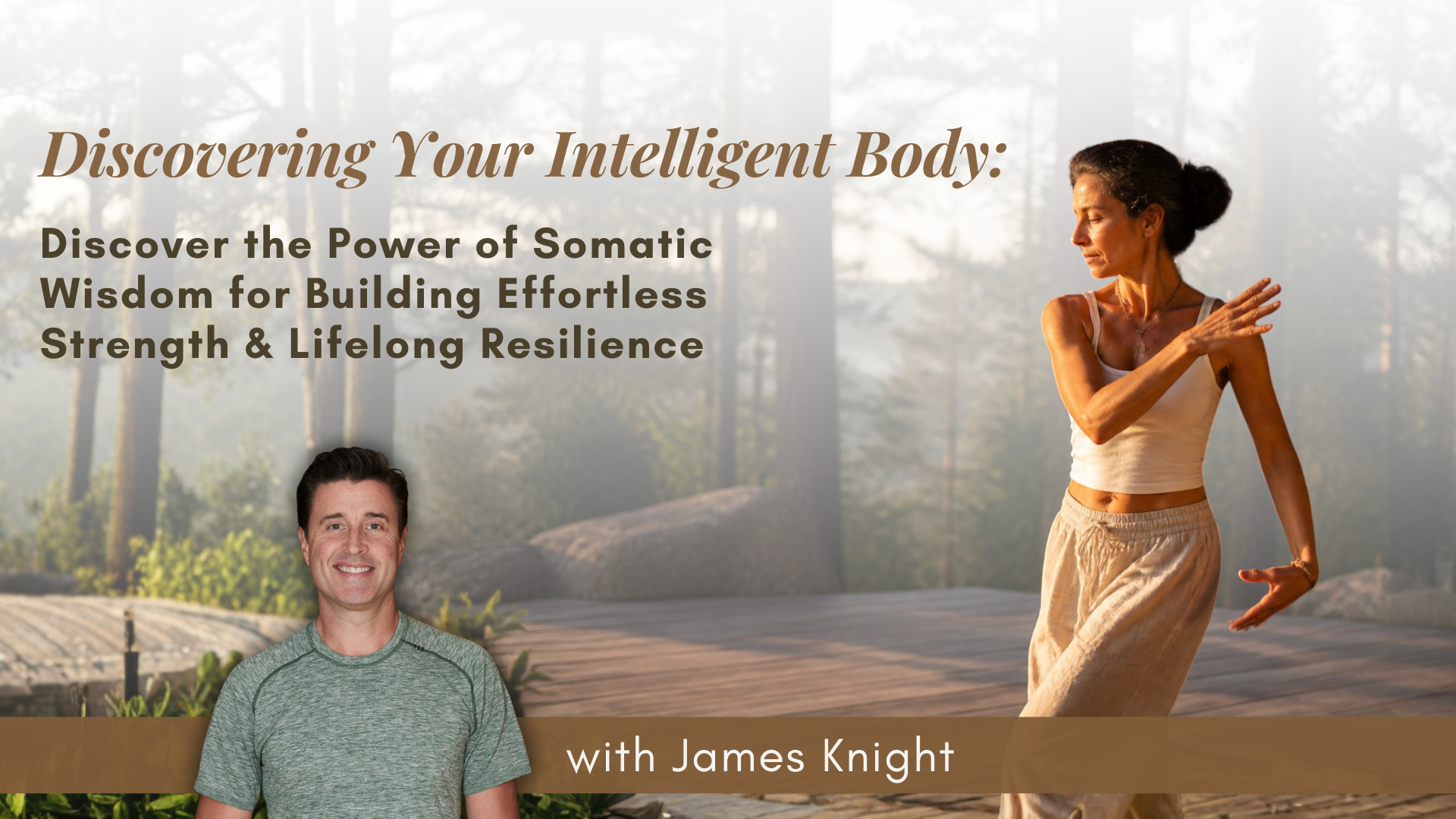
Discovering Your Intelligent Body:
Reconnecting with Somatic Wisdom™ for Building Effortless Strength & Lifelong Resilience
Pillars addressed:
Strong Muscles + Balance & Stability + Mind-Body Resilience (+1)
This four-part series with James Knight, founder of Gentle Somatic Yoga®, reframes healthy aging through Somatic Wisdom™ — teaching participants to listen to the body rather than just follow movement instructions. Combining Gentle Somatic Yoga®, Somatic Movement Flows®, and practical daily strategies, it focuses on nervous system retraining and brain-to-muscle communication to build resilient strength, ease, and confidence in movement. Rather than treating aging as decline, the series cultivates curiosity, adaptability, and lifelong embodied growth.
Join James Knight Live Online for a one-hour practice followed by a Q&A!
Mondays at 4:00 pm ET / 1:00 pm PT
November 9,16,23 & 30
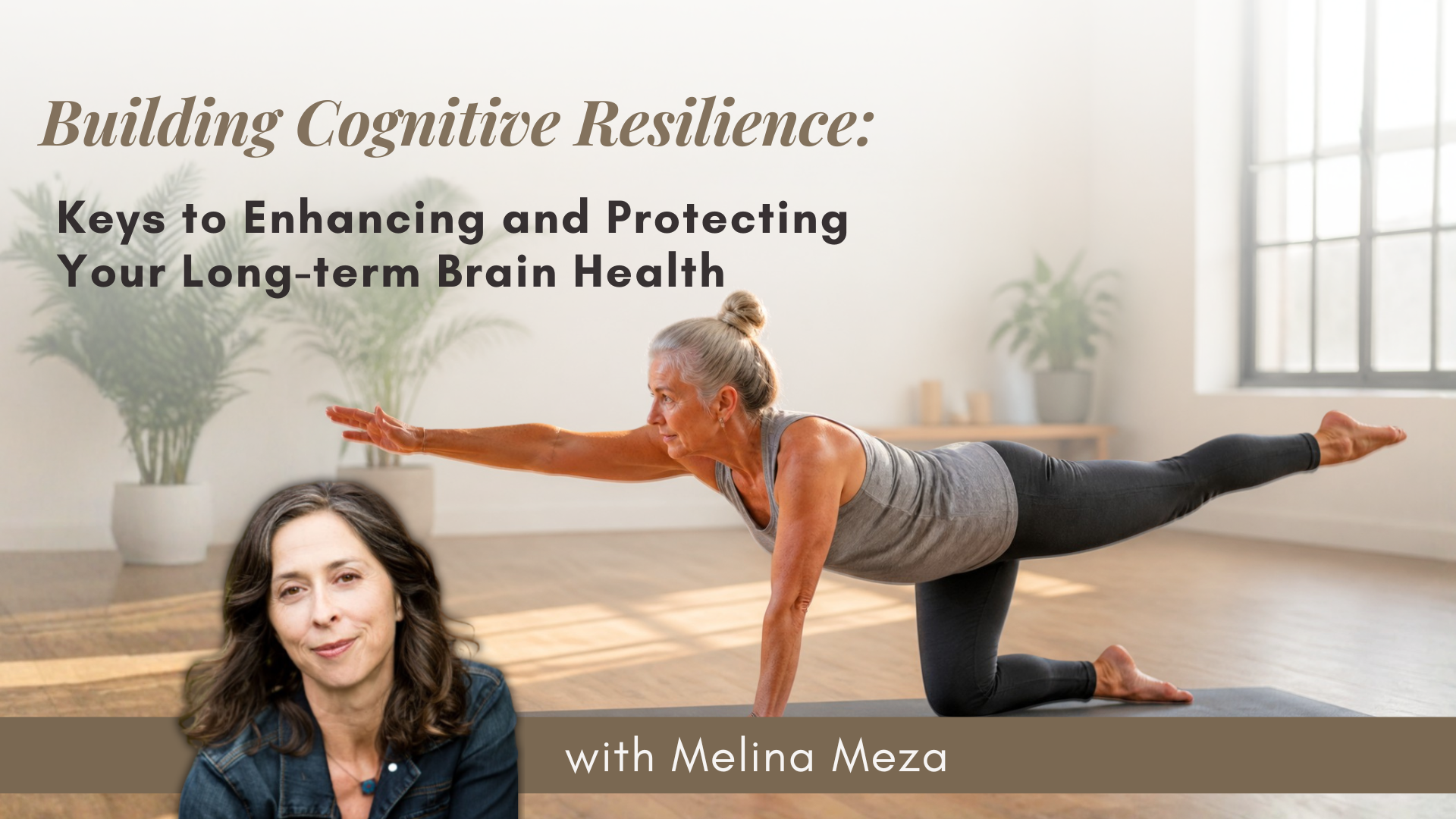
Building Cognitive Resilience:
Keys to Enhancing and Protecting Your Long-term Brain Health
Pillars addressed:
Balance & Stability + Heart & Brain Health + Mind-Body Resilience (+1)
Cognitive reserve — the brain's protective buffer against dementia and Alzheimer's — isn't inherited but built through modifiable lifestyle factors, with movement and yoga showing some of the strongest evidence. Research links yoga's balance and coordination training to measurable memory improvements within 12 weeks, a larger hippocampus with sustained practice, and reduced fall risk, while breath-based attention training keeps neural networks active. This series builds cognitive resilience through balance, coordination, and mindful movement practices designed to protect memory, independence, and quality of life long-term.
Join Melina Meza Live Online for a one-hour practice followed by a Q&A!
Tuesdays at 4:00 pm ET / 1:00 pm PT
December 1,8,15 & 22
Happening in January
Happening in February
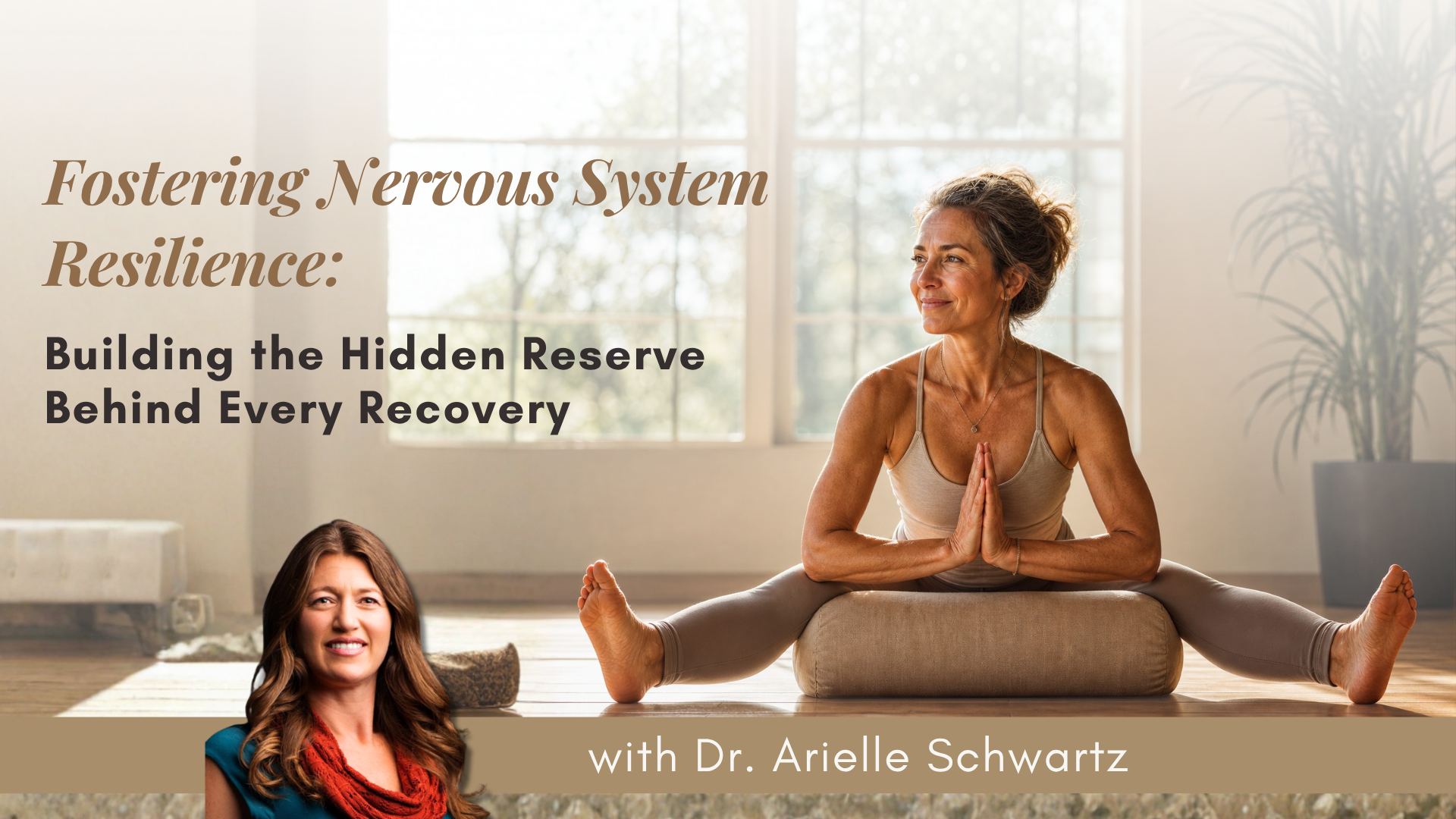
Fostering Nervous System Resilience: Building the Hidden Reserve Behind Every Recovery
Pillars addressed:
Heart & Brain Health + Mind-Body Resilience + Stress Recovery (+1)
Nervous system resilience — your body's capacity to recover from stress — is a trainable reserve centered on the vagus nerve, with vagal tone (measured via heart rate variability) linked to faster stress recovery, better emotional regulation, and stronger heart and cognitive function. Led by psychologist Dr. Arielle Schwartz, this series uses breathwork, gentle self-applied touch, and yoga postures to build the nervous system's capacity to recover from daily stress rather than just manage it. This work complements the physical reserve built elsewhere in the Age Strong program, strengthening the foundation for a longer, more resilient health span.
Join Dr. Arielle Schwartz Live Online for a one-hour practice followed by a Q&A!
Friday at 4:00 pm ET / 1:00 pm PT
January 15 & 29 and Tuesday, February 09
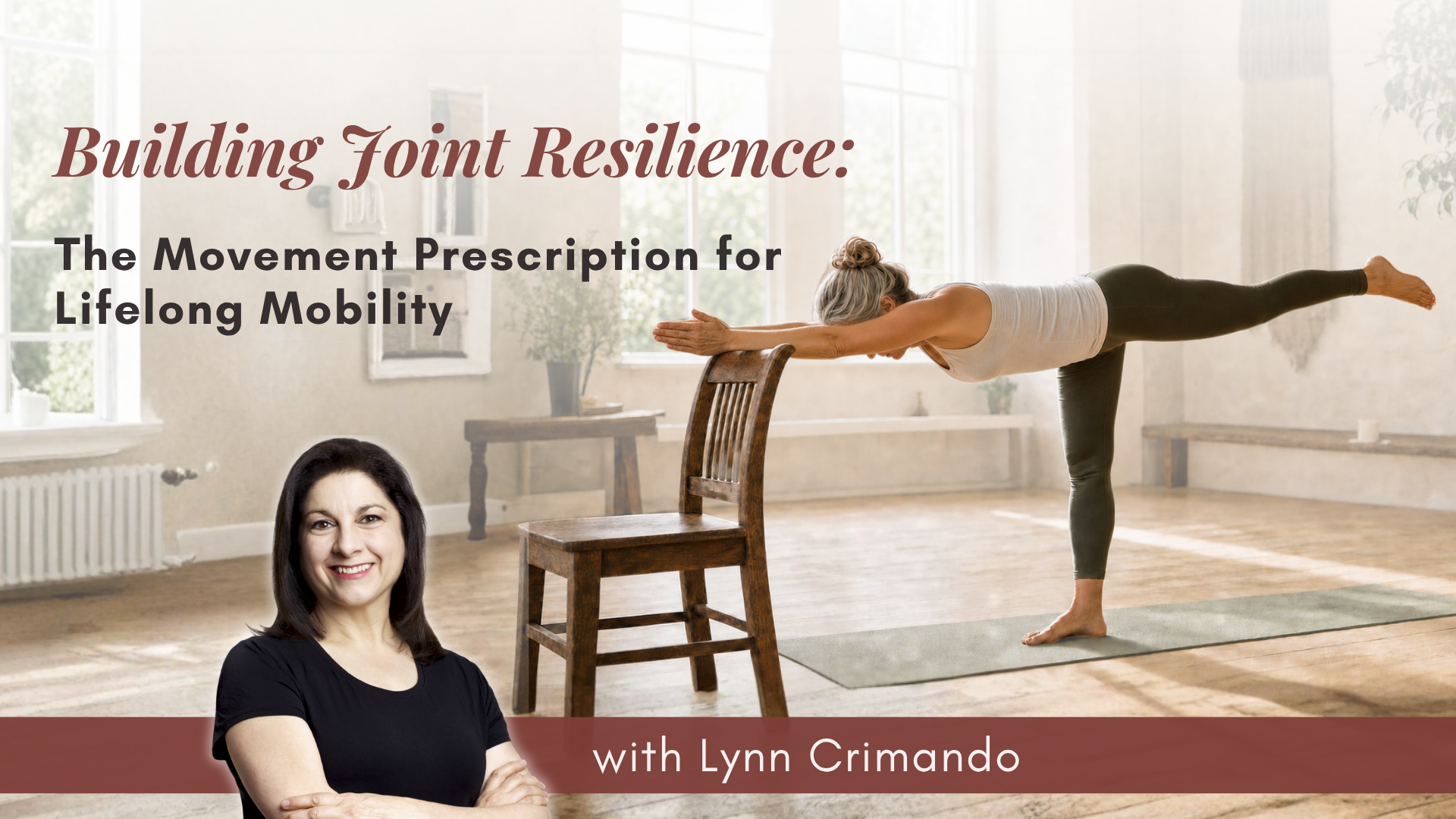
Building Joint Resilience:
The Movement Prescription for Lifelong Mobility
Pillars addressed:
Strong Muscles + Balance & Stability + Mind-Body Resilience
Joints aren't wearing out — they're adaptive structures that depend on movement itself to nourish cartilage and stay resilient, while prolonged stillness (not motion) is often what causes damage. Stiffness develops when supporting muscles, fascia, and ligaments weaken and compensate for each other, and the nervous system can lock in protective guarding patterns long after an injury heals. Building Joint Resilience combines joint biology education, targeted strengthening for hips, knees, and shoulders, and nervous system retraining to release guarding patterns, leaving you with a sustainable practice for lasting joint freedom.
Join Live Online for a one-hour practice followed by a Q&A!
Wednesdays at 1:00 pm ET / 10:00 am PT
February 3,10,17 & 24
Happening in April
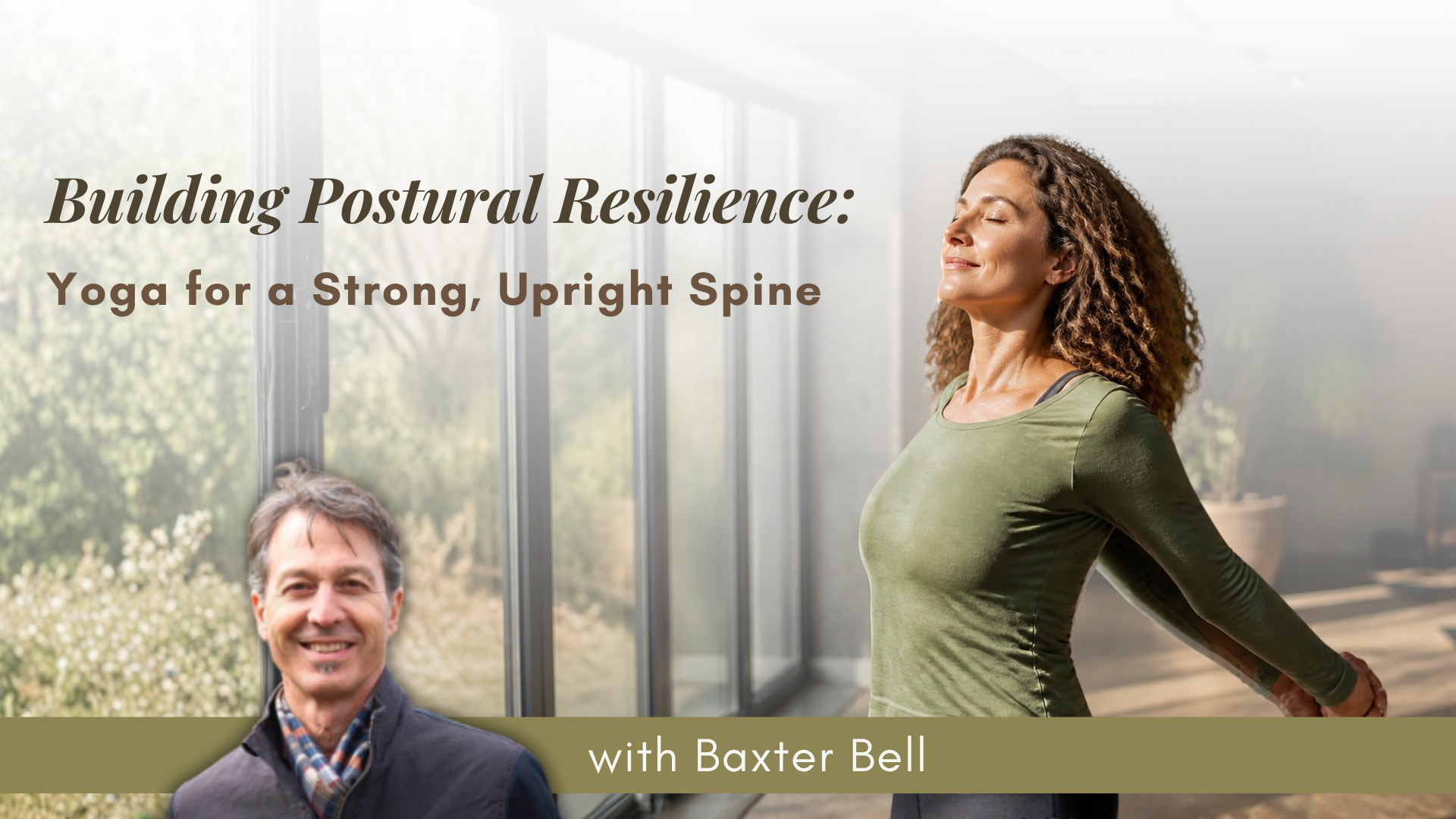
Building Postural Resilience:
Yoga for a Strong, Upright Spine
Pillars addressed:
Strong Bones + Strong Muscles + Balance & Stability (+1)
Hyperkyphosis — the forward spinal curve affecting roughly 40 percent of older adults — isn't just cosmetic; it worsens balance, slows walking, reduces lung capacity, and nearly doubles fall risk while independently raising fracture risk through mechanical loading on the spine. A UCLA randomized controlled trial found that six months of targeted yoga measurably improved spinal curvature in participants averaging 75 years old, proving the condition is remediable rather than inevitable. Building Postural Resilience strengthens back muscles, releases tight chest and hip muscles, and builds spinal alignment awareness to interrupt the cycle linking poor posture and fracture risk.
Join Live Online for a one-hour practice followed by a Q&A!
Coming Soon!
AGE STRONG FOR LIFE:
Your Complete Roadmap
This isn't one of those membership programs where you're left wondering what to do next. Age Strong for Life follows a step-by-step roadmap across all 3+1 pillars — giving you the knowledge, practices, and confidence to take meaningful action on your muscles, bones, joints, and metabolic health. You'll be guided in live sessions every single week, and we'll be right there supporting you.
CLICK HERE TO JOIN US* ALSO CATCH OUR EARLY BIRD BONUS *
Register Before the Early Bird Deadline and Also Get This Amazing Bonus Course with Doug Keller!
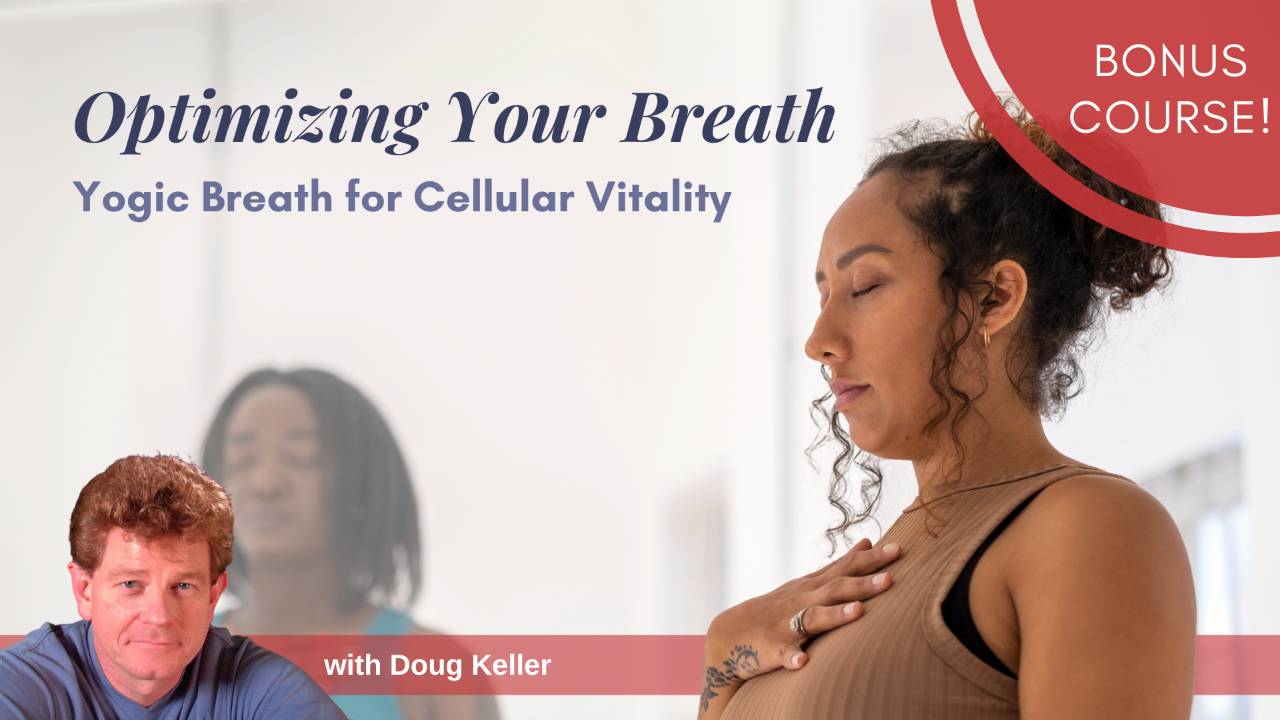
Optimizing Your Breath:
Yogic Breath for Cellular Vitality
With Doug Keller
Healthy breathing is about quality, not just quantity. When we breathe well — especially through the nose — we boost our body's natural production of nitric oxide, a signaling molecule that helps blood vessels relax, improves circulation, and enhances how efficiently oxygen and nutrients reach our cells.
Nasal breathing can raise nitric oxide levels severalfold and improve oxygen uptake compared to mouth breathing, which directly supports better energy production, blood sugar handling, and overall metabolic health. Yet after age 40, nitric oxide production typically drops by more than 50% if we don't pay attention to how we breathe.
Fundamental yogic breathing practices — combined with simple movement — can help reverse this decline. They stimulate nitric oxide production, train the diaphragm, and keep the rib cage flexible, supporting breathing patterns that match your body's metabolic needs and give every cell more time and space to "take in" the breath.
Better breathing supports all 3+1 pillars — it enhances oxygen delivery to muscles, supports the bone-remodeling process, reduces inflammatory load on joints, and directly improves the metabolic efficiency that powers everything else.
This Program Is for You If…
-
You're over 45 and want to get ahead of age-related decline instead of reacting to it.
-
You've seen a parent or loved one struggle with Alzheimer's, heart disease, or diabetes — and you refuse to accept that as your future.
-
You want expert guidance from nationally recognized specialists, not generic fitness content.
- You're already health-conscious but you know you're missing a comprehensive approach that addresses the real pillars of healthy aging — not just diet and exercise.
-
You've been told your blood work is "normal" but you feel like something is off — low energy, stubborn weight, brain fog, joint stiffness.
-
You've noticed you're losing strength, and everyday tasks — getting out of a chair, carrying groceries, climbing stairs — are getting harder.
-
You're concerned about fracture risk or have been told you have osteopenia or osteoporosis.
-
Early joint pain or stiffness has started limiting your movement — and you know that when movement stops, everything gets worse.
-
You want to do yoga but you're worried about injury in classes not designed for your body.
I've Still Got Questions
No problem - check out the most frequently asked ones below...